This is a list of the most frequented blogs I visit. They’re not all the feeds on my RSS reader, they’re the most worthy. Any recommendations?
personal · 20260606 · Reply by email
\-----BEGIN GEEK CODE BLOCK-----

Version: 3.1

GB/CS/E d--(--) s():() a C++ U@ P? L E? W+++ N? o? K--? w+ O? M+ V? PS++ PE+ Y? !PGP t+ 5 X++ !R tv+ b++ DI++ D+ G e++ h--- r+++ y+++

\------END GEEK CODE BLOCK------
Follow this link to learn what it means.
personal · 20260606 · Reply by email
When I was younger, before socialmedia, I was a huge fan of Stumbleupon, a web app that would let you “doomscroll” and discover new things before doomscrolling was invented.
Also, my first internet project, was linkarus.tk a link collection of the best websites I had visited, made with blogspot. All html.
Following those steps I have built Tboti.link, the best of the internet, a collection of links curated by me from my travels through the “interwebs”.
I would like to think my coding has evolved but, alas, I have been assisted by Claude Code and the Raindrop API.
projects · 20260528 · Reply by email
In a similar idea or honouring Sagan’s Pale blue dot, this flag aims to remind us that we are all together in this spaceship called Earth.
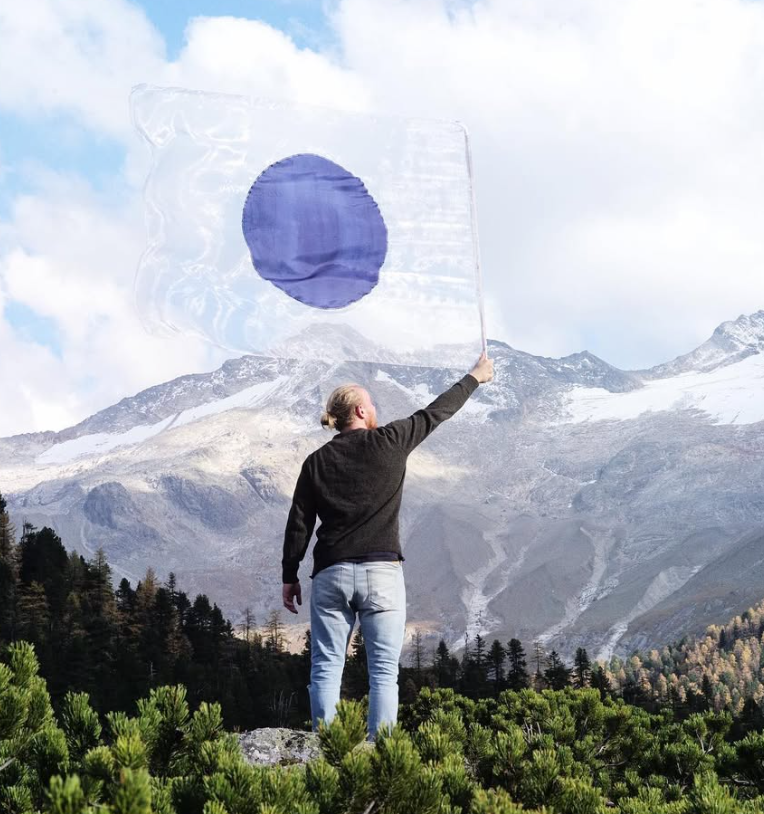
In a world characterized by geographical, social and political differences, the One World Flag is a reminder that we all live on the same planet and have a common future. Flags usually symbolize nations, regions or groups, i.e. differences. The One World Flag, on the other hand, has a message for humanity: More unites us than divides us. One World Flag does not want to replace the other flags, but to show that beyond the differences there is also unity. The One World Flag shows a blue sphere in the center, symbolizing our common home, the blue planet. The background of the flag is made of transparent material, which means that it always adapts to its surroundings.
— 1worldflag
links · 20260527 · Reply by email
With the help of Claude code and based on another plugin, I’ve created a plugin for Obsidian.
It allows you to mark notes as “pending” with an orange circle indicator in your Obsidian file explorer.
Check out the repository in Github.
projects · 20260527 · Reply by email
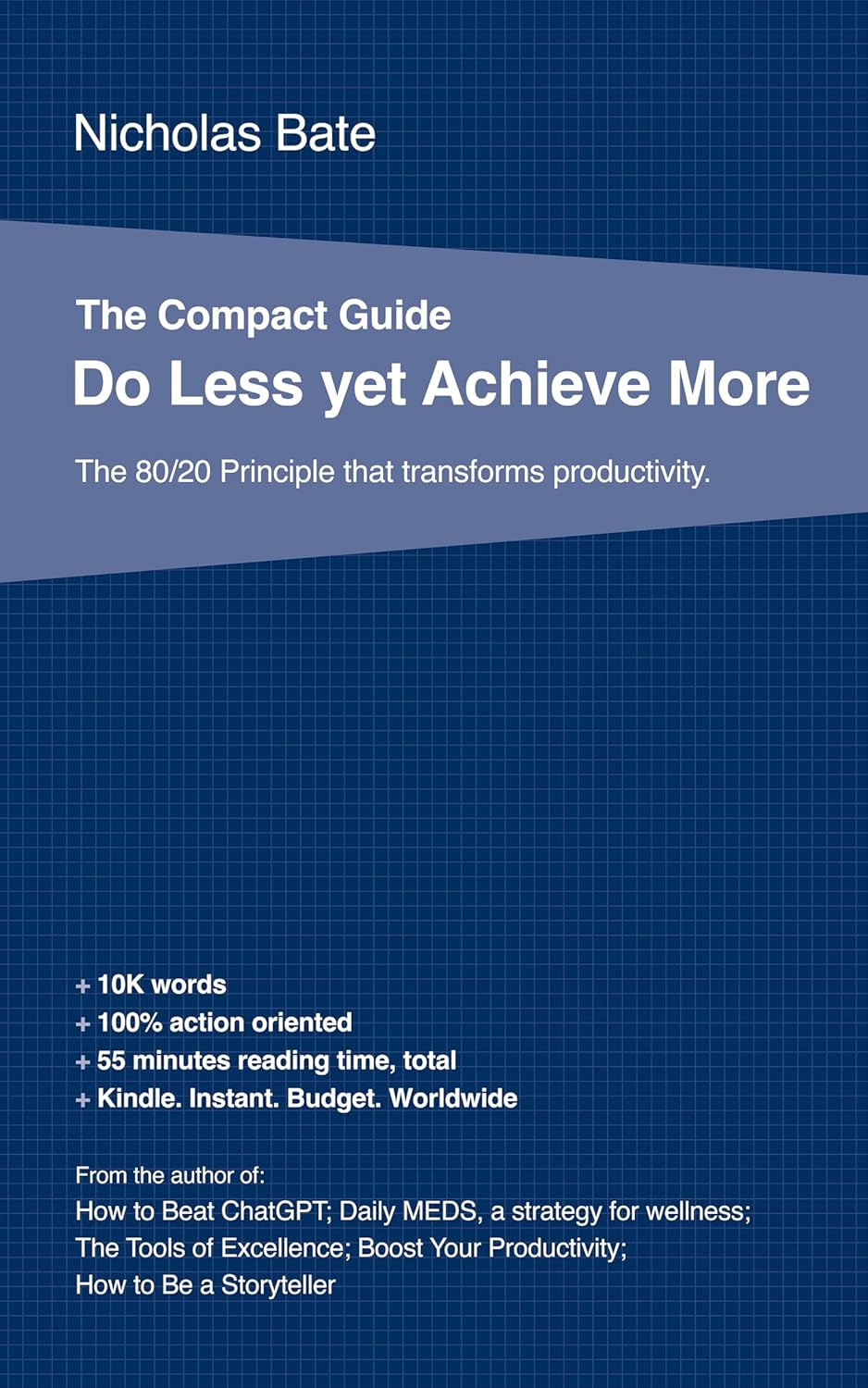
I recently finished reading “Do Less yet Achieve More” by Nicholas Bate.
Worth reading to fully understand and absorb the Pareto principle.
Pros: The personal anecdote at the beginning really opened my eyes to many things.
Cons: This book could have been a blog post.
‘Life is for living, not always following an optimised plan.
reviews · 20260520 · Reply by email
Life rewards action, not intelligence. The smarter you are, the better your excuses.
— Conor Neill, on why smart people stay broke
clippings · 20260512 · Reply by email
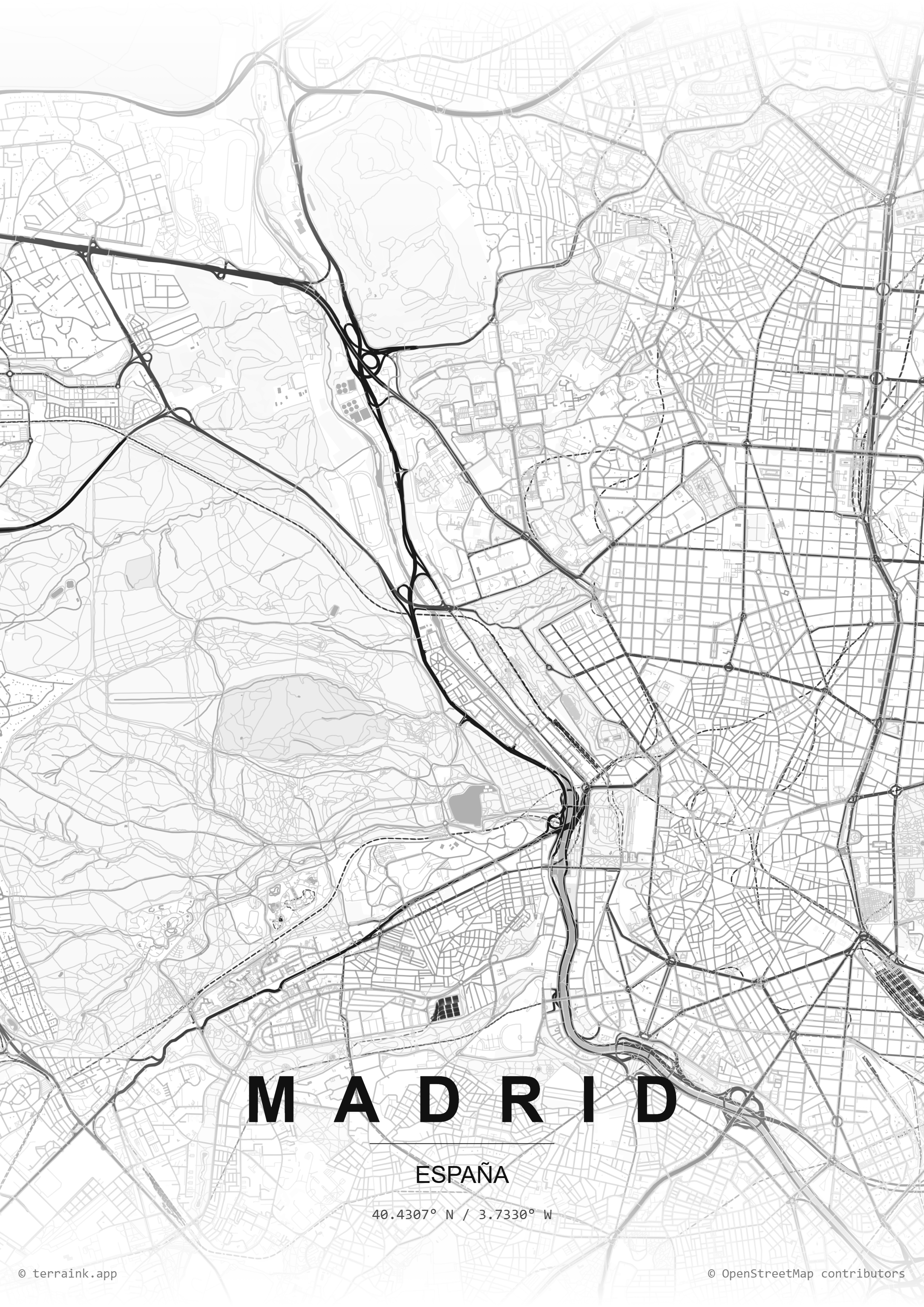
I made a cool map of where I live using Terraink.
links · 20260501 · Reply by email

The Landsat program consists of a series of Earth-observing satellite missions jointly managed by NASA and the U.S. Geological Survey. Since 1972, Landsat satellites have continuously acquired images of the Earth’s land surface and provided an uninterrupted data archive to assist land managers, planners, and policymakers in making more informed decisions about natural resources and the environment.
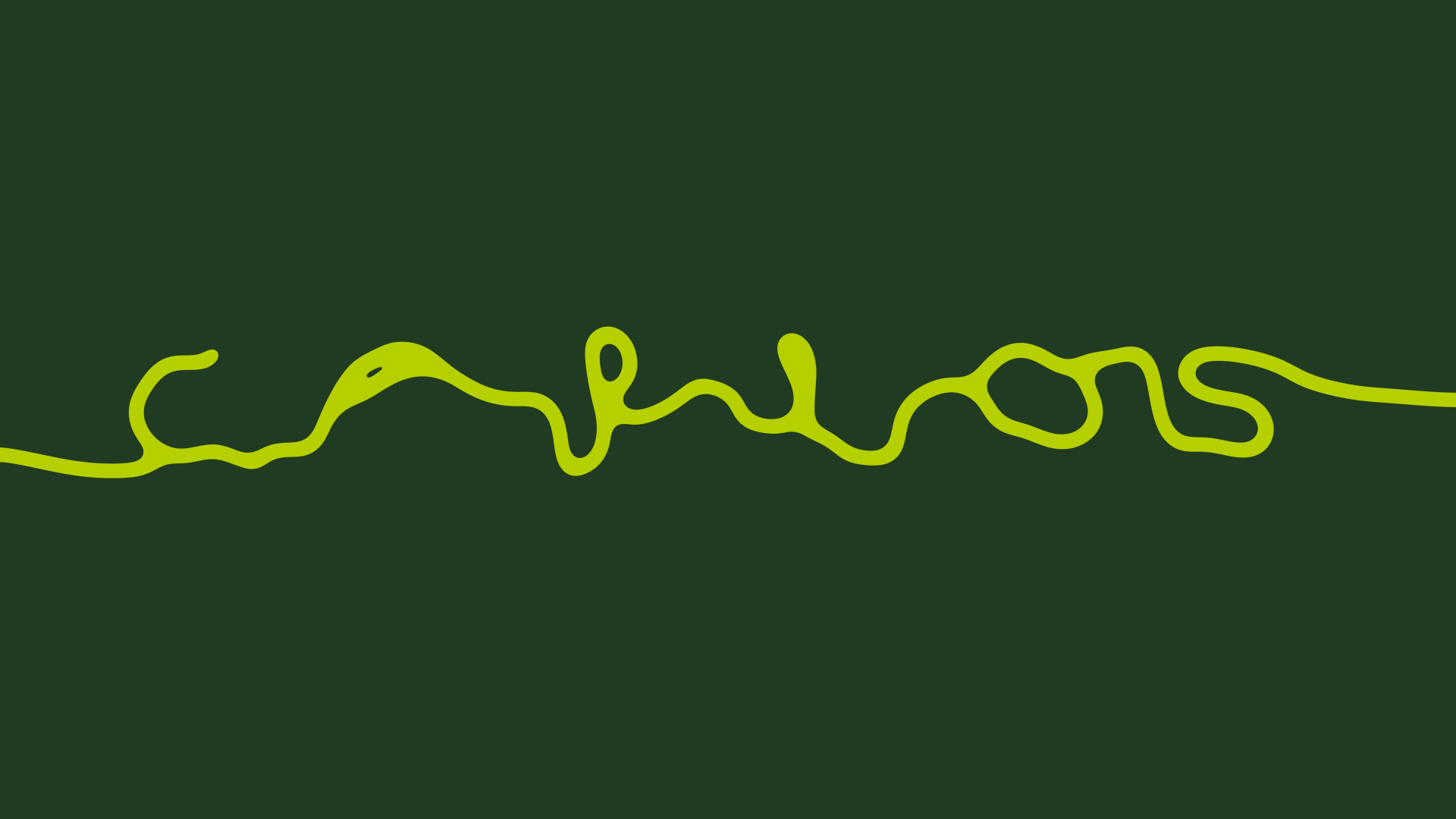
One of the fun things that you do with it, is to spell your name in landsat images.
Another similar project is Amazonia, with the bends of the Amazon they’ve made Igaratype, in which you can also spell your name.
links · 20260428 · Reply by email
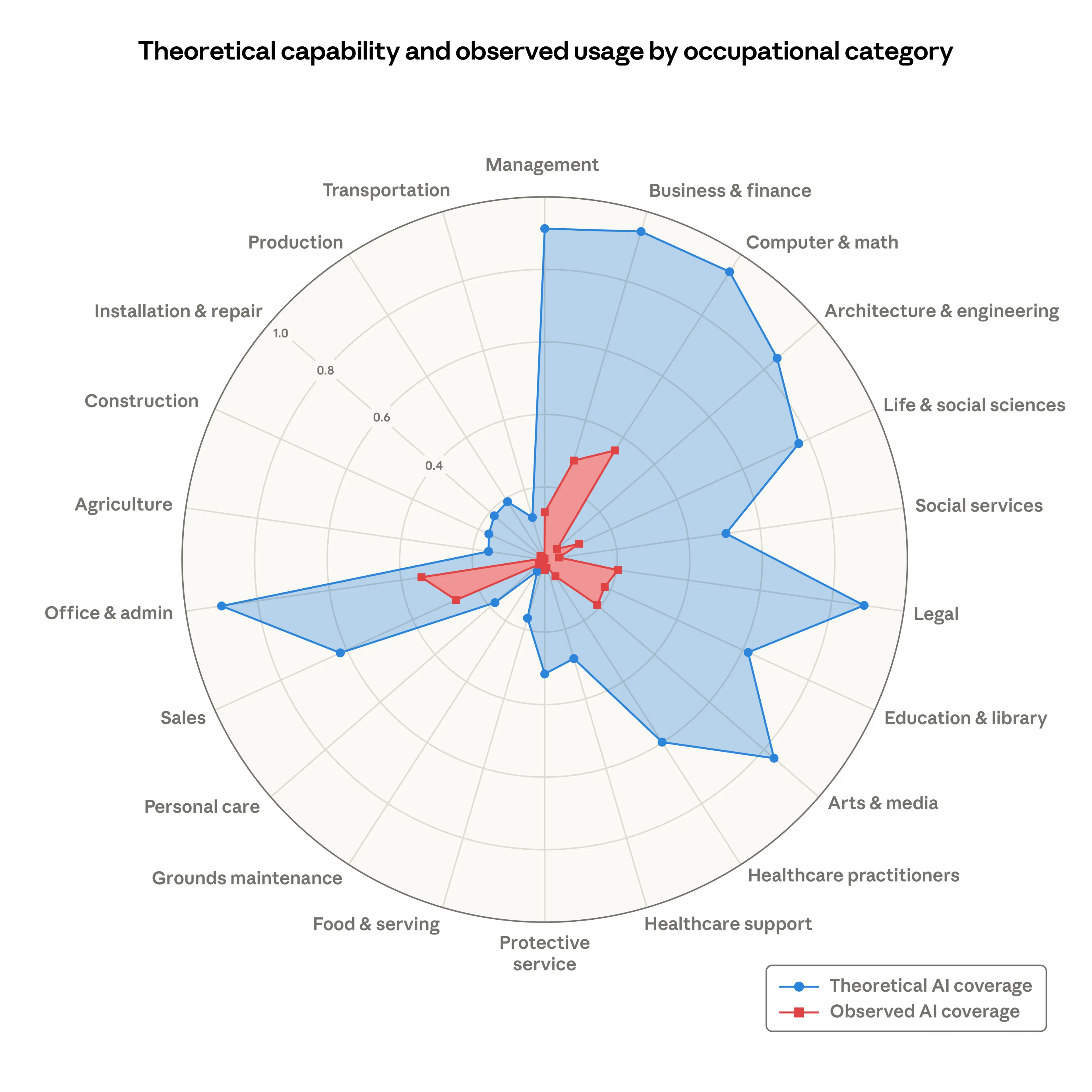
It seems that, thanks to AI, the future of work has three paths to follow:
- If you are already a senior person in your company, you will probably shift from managing people to managing AI agents.
- Alternatively, you might become someone creative or handy, working with physical materials for a living—such as an artist, plumber, electrician, or baker.
- The third path is becomeing an entrepreneur.
Whichever path you choose, adaptability appears to be the key skill. Consider Darwin’s Survival of the Fittest, where the fittest are those who best adapt to their immediate environment.
In this new environment, there is no time to waste being a junior or intern, nor to dwell on coding skills lost to AI.
AI · 20260424 · Reply by email
Madrid, Spain
Working on: at TYA, building out my PKB in Obsidian
Learning: about AI, LLMs, parenting
Thinking about: How To Beat ChatGPT, what success means
Not doing right now: Trying not to follow the news…
Reading: Old School, How will you measure your life…
now · 20260421 · Reply by email
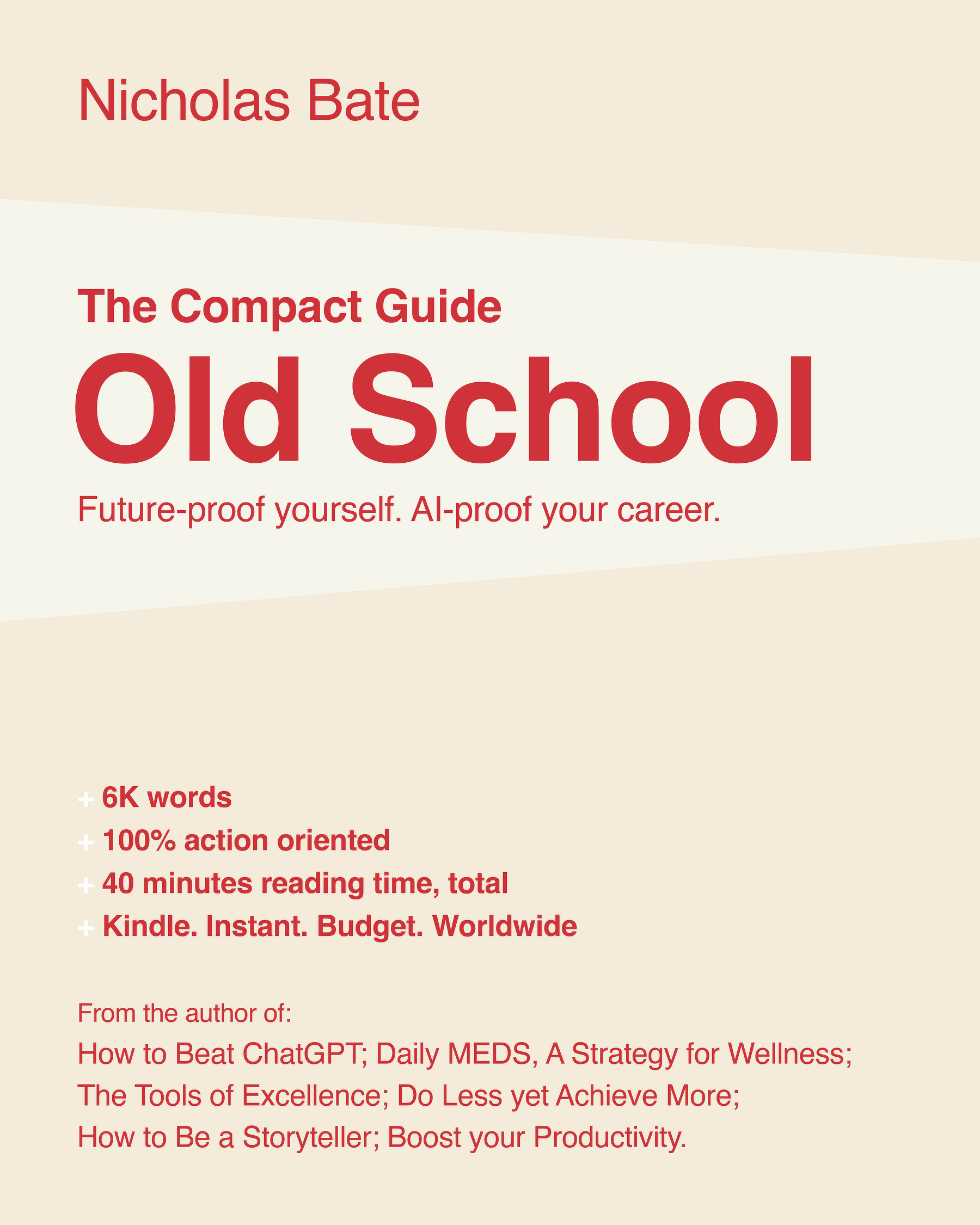
Yesterday I finished reading “Old school” by Nicholas Bate. A short, sharp case for going back to basics. No clever systems, no shortcuts — just a reminder that focus, discipline, and doing the work properly still matter. It reads fast. Worth it.
‘Old school’ means living by timeless principles. Who doesn’t value punctuality or resourcefulness under pressure? These qualities are never obsolete; they form the foundation for working and living with ease.
reviews · 20260421 · Reply by email